|
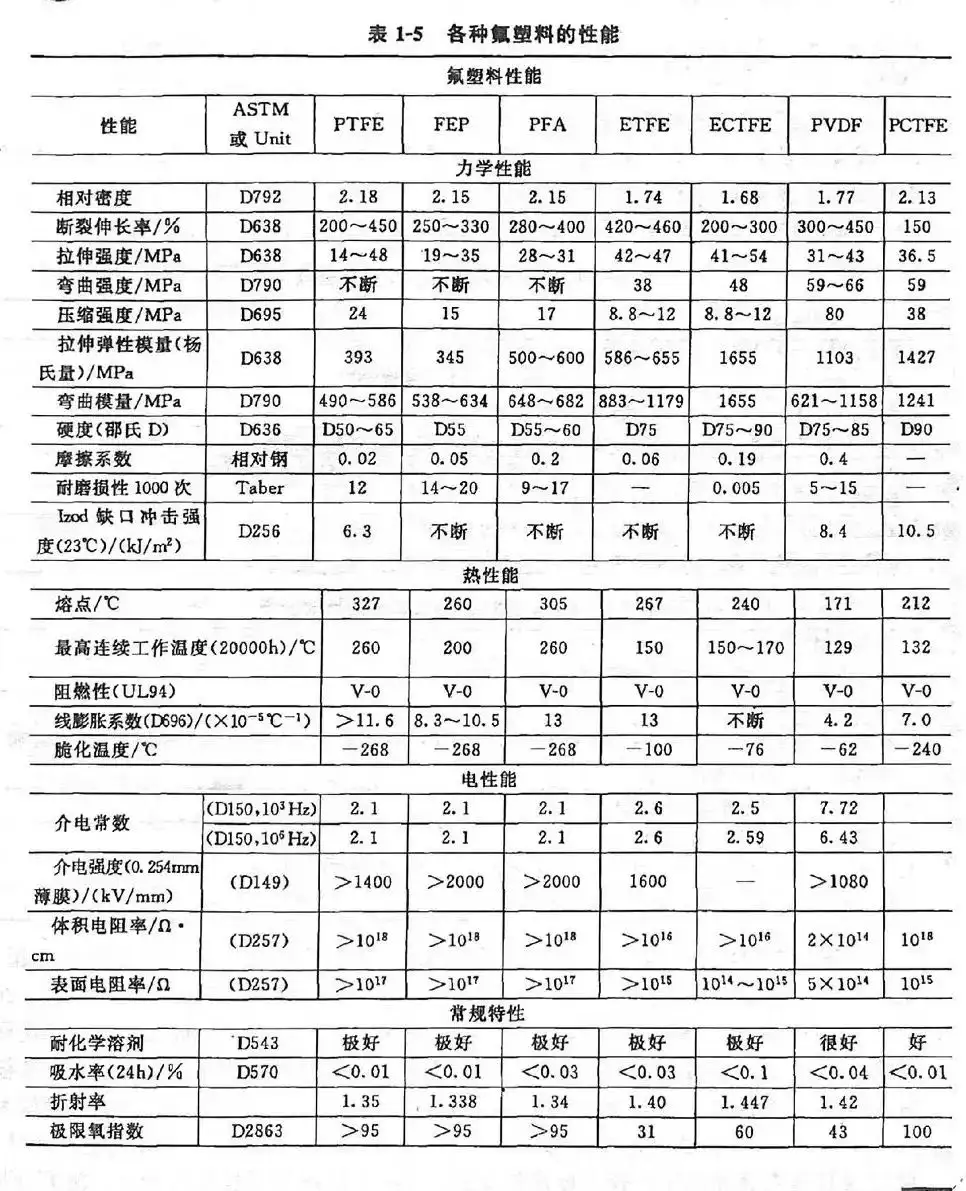
INTRODUCTION TO THE MATERIAL DIFFERENCES BETWEEN PCTFE AND PTFEPolychlorotrifluoroethylene (PCTFE) and polytetrafluoroethylene (PTFE) are two important fluorine-containing polymer materials. They are widely used in chemical, electronic, medical and other fields due to their unique chemical stability and physical properties. Although the names are similar, there are significant differences between the two in molecular structure, performance characteristics and application scenarios. The following is a detailed comparison from the aspects of material characteristics, processing technology, application fields, etc.
Molecular Structure And Chemical Stability 1. Every three carbon atoms in the molecular chain of PCTFE contain one chlorine atom and one fluorine atom (-CF₂-CFCl-). The introduction of chlorine atoms enhances the polarity of its molecules and reduces the crystallinity (about 35%-45%). This structure gives PCTFE higher mechanical strength and hardness, but its chemical stability is slightly inferior to PTFE. For example, PCTFE will react with strong oxidants (such as concentrated nitric acid) at high temperatures, and the upper limit of long-term use temperature is 175°C. 2. PTFE is composed of pure carbon-fluorine bonds (-CF₂-CF₂-), with extremely high molecular symmetry and a crystallinity of more than 90%. Its carbon-fluorine bond energy is as high as 485 kJ/mol, and it is almost not corroded by any acid, alkali (including aqua regia) and organic solvents. The long-term use temperature can reach 260°C. However, the mechanical strength of pure PTFE is low, and it needs to be improved through filling modification.
Comparison Of Physical Properties 1. Thermal properties The thermal conductivity of PCTFE (0.21 W/m·K) is higher than that of PTFE (0.18 W/m·K), but the linear expansion coefficient is larger (4.5×10⁻⁵/℃ vs 1.2×10⁻⁴/℃). The melting point of PTFE is 327℃, which is higher than the 215℃ of PCTFE, which makes PTFE more suitable for high-temperature sealing scenarios. 2. Mechanical properties The tensile strength of PCTFE (40-50 MPa) is twice that of PTFE (20-30 MPa), and the bending modulus is 1.4 GPa (PTFE is only 0.5 GPa). However, the friction coefficient of PTFE (0.05-0.1) is the lowest among all solid materials, better than PCTFE (0.3-0.4). 3. Electrical properties PTFE has a lower dielectric constant (2.1) and loss factor (0.0002), making it an ideal high-frequency circuit substrate. Due to the presence of polar groups, the dielectric constant of PCTFE (2.3-2.7) is slightly higher, but it is still better than most engineering plastics.
Processing Technology Differences 1. PCTFE can be processed by conventional thermoplastic methods: - Injection molding (barrel temperature 230-280℃) - Extrusion molding (for pipes and films) - Compression molding (pressure 10-20 MPa) Its melt viscosity is low and the processing window is wide, but attention should be paid to equipment corrosion caused by chlorine. 2. PTFE cannot be processed by melt due to its extremely high melt viscosity (10¹¹-10¹² Pa·s). The main processes include: - Cold pressing sintering (pressure 20-50 MPa, sintering temperature 360-380℃) - Isostatic molding (for complex components) - Emulsion spinning (fiber preparation) The processing equipment needs to be specially designed to cope with high-temperature sintering requirements.
Typical Application Scenarios 1. Core applications of PCTFE - High vacuum sealing: using its extremely low gas permeability (helium permeability coefficient is only 1/10 of PTFE) for spacecraft seals. - Optical devices: Transparent grade PCTFE (90% transmittance) is used for infrared windows and laser components. - Corrosive media transportation: Chemical pump valve linings can withstand halogen media such as chlorine and bromine. 2. Irreplaceable areas of PTFE - Non-stick coating: Cookware coating accounts for 40% of global consumption and can operate at temperatures up to 250°C. - Medical implants: The microporous structure of expanded PTFE (ePTFE) for vascular stents supports cell growth. - High-frequency communications: The dielectric loss of PTFE substrates in 5G base station filters is less than 0.001.
Development Of Modification Technology 1. PCTFE modification: - Reduce crystallinity and improve transparency by copolymerizing trifluoroethylene (such as commercial material Kel-F 81) - Adding carbon fiber can increase tensile strength to 60 MPa 2. PTFE composite technology: - Glass fiber filling improves wear resistance (wear rate reduced by 80%) - Nano-titanium dioxide doping achieves UV stability - Porous ePTFE is used for fuel cell proton exchange membrane
Cost And Sustainable Development The synthesis process of PCTFE raw material chlorotrifluoroethylene monomer is complex, and the market price is about $120/kg, which is more than 20 times that of PTFE ($6-7/kg). In terms of environment, the decomposition temperature of PTFE is higher than 500℃, and professional high-temperature incineration is required; and the chlorine-containing components of PCTFE may produce dioxins during incineration, and a tail gas purification system is required. Current research hotspots include: developing PTFE/PCTFE blends to balance cost and performance, and using supercritical CO₂ foaming technology to prepare lightweight fluorinated foams. As the semiconductor industry's demand for high-purity materials grows, the application of the two materials in wafer processing will further expand.
|